
According to the Dept 56 website:
Exclusives are lighted buildings and Snowbabies™ that Department 56 designs in conjunction with other companies who offer them for sale.
DEFINITIONS:
An early release product is shipped to a limited number of retailers prior to the general release date. These pieces usually are introduced in the late fall and are made available for holiday decorating in the year they are introduced.
For example: In the fall of 2007, “Yuengling Tavern” 56.55626, was an early release to Boscov’s Department Stores. The piece later became available to our regular authorized dealers as part of the December, 2007 Village introductions.An exclusive product is made only for a select vendor and is not released for general distribution. Generally, this type of product does not appear on the Department 56 Collectible History lists.
For example: Products made for AVON (www.AVON.com) and LTD Commodities (www.ltdcommodities.com) are specially designed for these vendors and are not part of the regular issue for Department 56 collectibles.A Tailored Piece has been commissioned by an independent retailer and is based on an existing lit building or accessory. These pieces feature custom coloring and/or signage and will be available only through the retailer listed with the product.
Platinum Key Products are early release or exclusive items only available through Platinum Key dealers. Click here for a complete list of Platinum Key Dealers.
And here is a list of the ones currently listed on the Department 56 website.
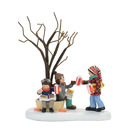
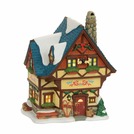
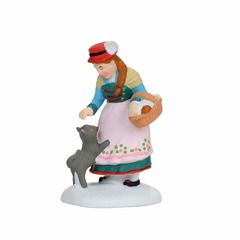
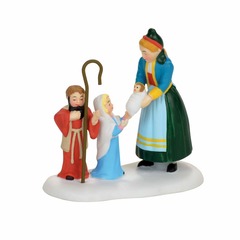
| Photo | Product Number | Product Name | Collection | Available |
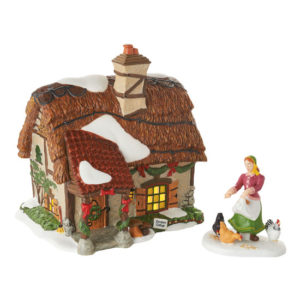 |
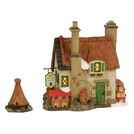
4054775 | Foxmore Cottage, Set of 2 | Dickens Village | Platinum Key Dealers |
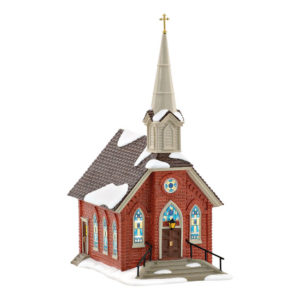 |
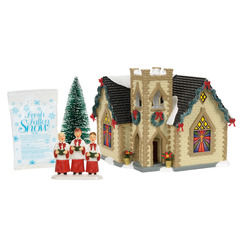
4054776 | Old St. John’s | Original Snow Village | Platinum Key Dealers |
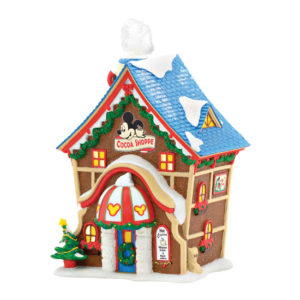 |
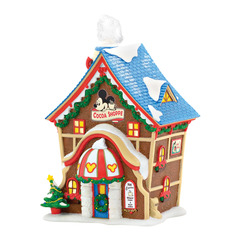
4053048 | Mickey’s Cocoa Shoppe | Disney Village | Platinum Key Dealers, Sears |
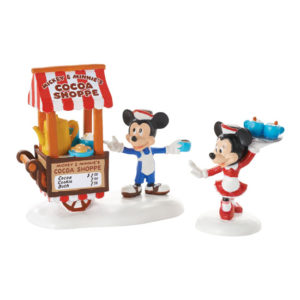 |
4053052 | Cocoa On The Go | Disney Village | Platinum Key Dealers, Sears |
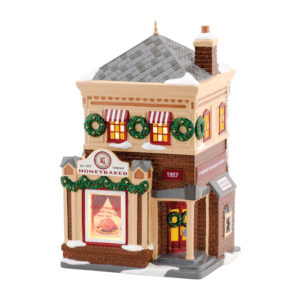 |
4053067 | HoneyBaked Ham | Original Snow Village | HoneyBakedOnline.com |
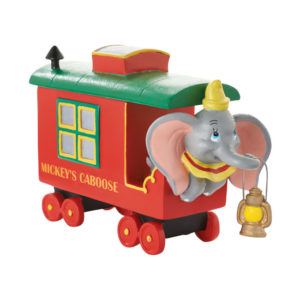 |
4053051 | Mickey’s Holiday Caboose | Disney Village | Sears |
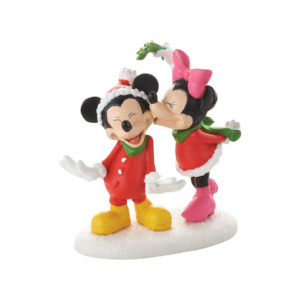 |
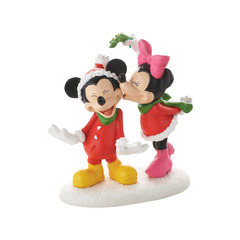
4053053 | Mickey’s Christmas Kiss | Disney Village | Sears |
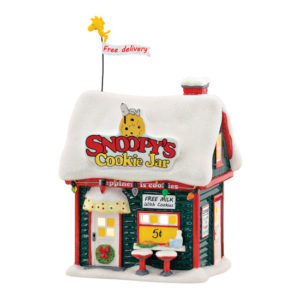 |
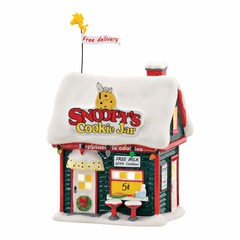
4053567 | Snoopy’s Cookie Jar | Peanuts Village | Sears |
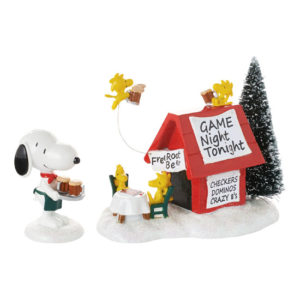 |
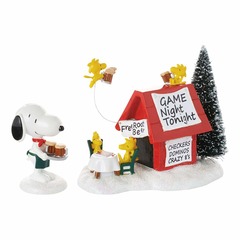
4053054 | Snoopy’s Game Night | Peanuts Village | Sears |
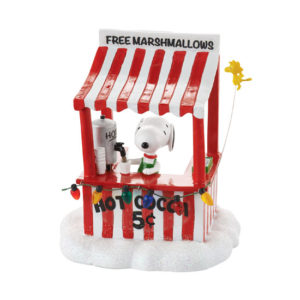 |
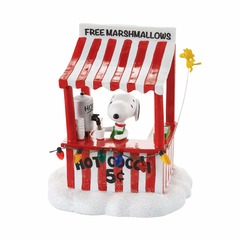
4053055 | Snoopy’s Cocoa Stand | Peanuts Village | Sears |
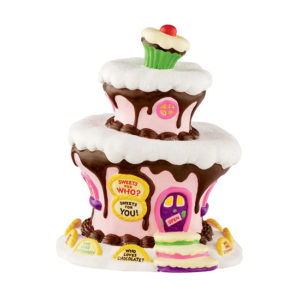 |
4053063 | Who-Ville Sweet Shop | Grinch Village | Canadian Tire |
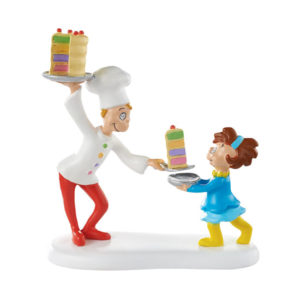 |
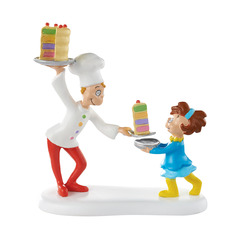
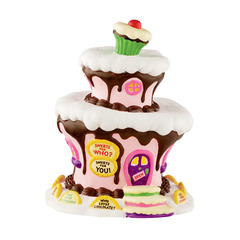
4053064 | Cake For Who? Cake For You! | Grinch Village | Canadian Tire |


































 Subscribe in Your Favorite RSS Reader


